Luxury hospitality has spent decades competing over the visible—larger suites, finer dining, infinity pools and personalized butler service. Increasingly, however, the industry’s most valuable offering is becoming something far less tangible: the ability to help guests slow down.
Across India’s luxury hospitality sector, wellness is gradually moving beyond the confines of the spa and emerging as the organizing principle of the entire guest experience. From mindful dining and nature immersion to cultural storytelling and digital detoxes, hotels are beginning to position well-being not as an add-on but as the reason to travel itself.
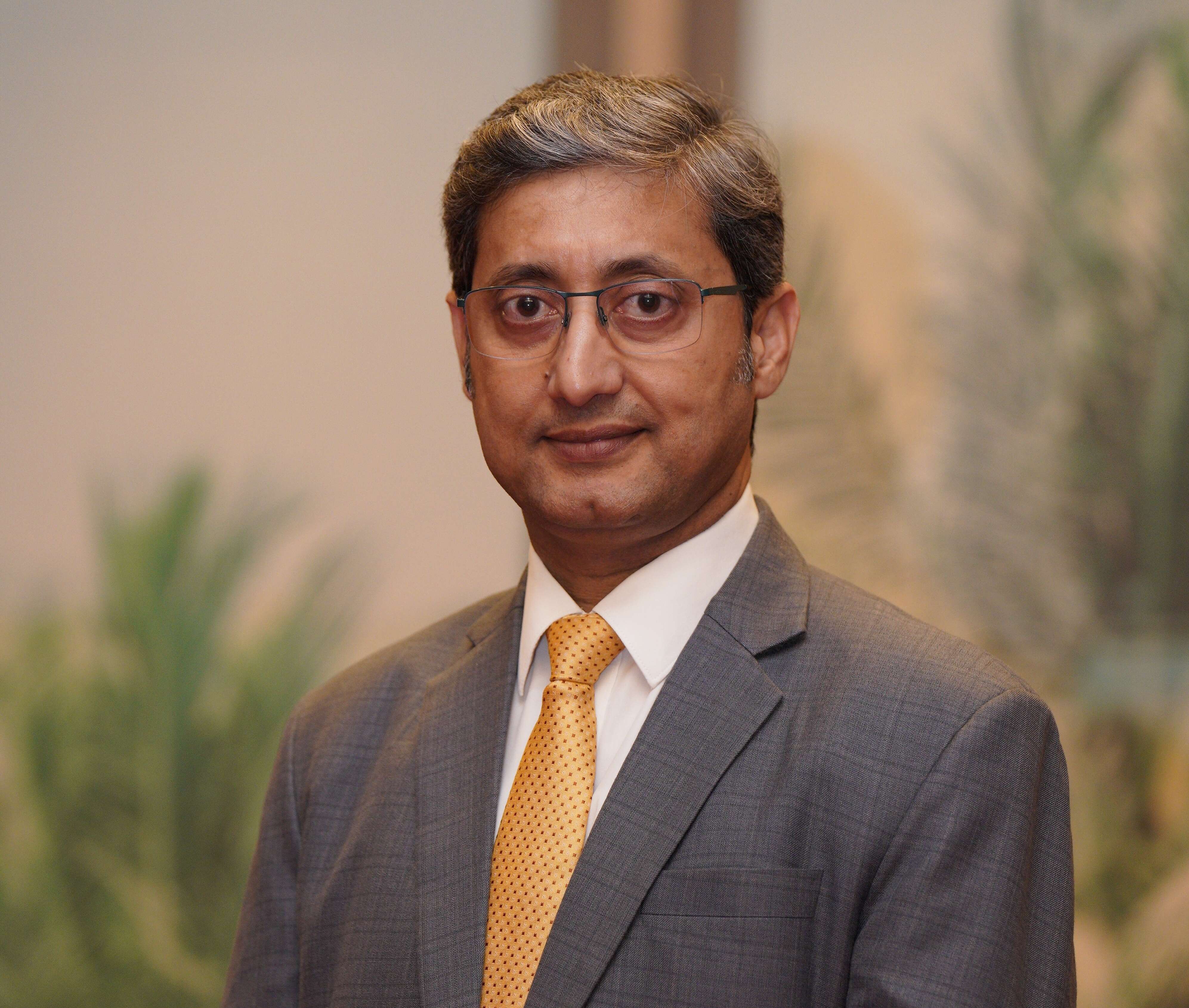
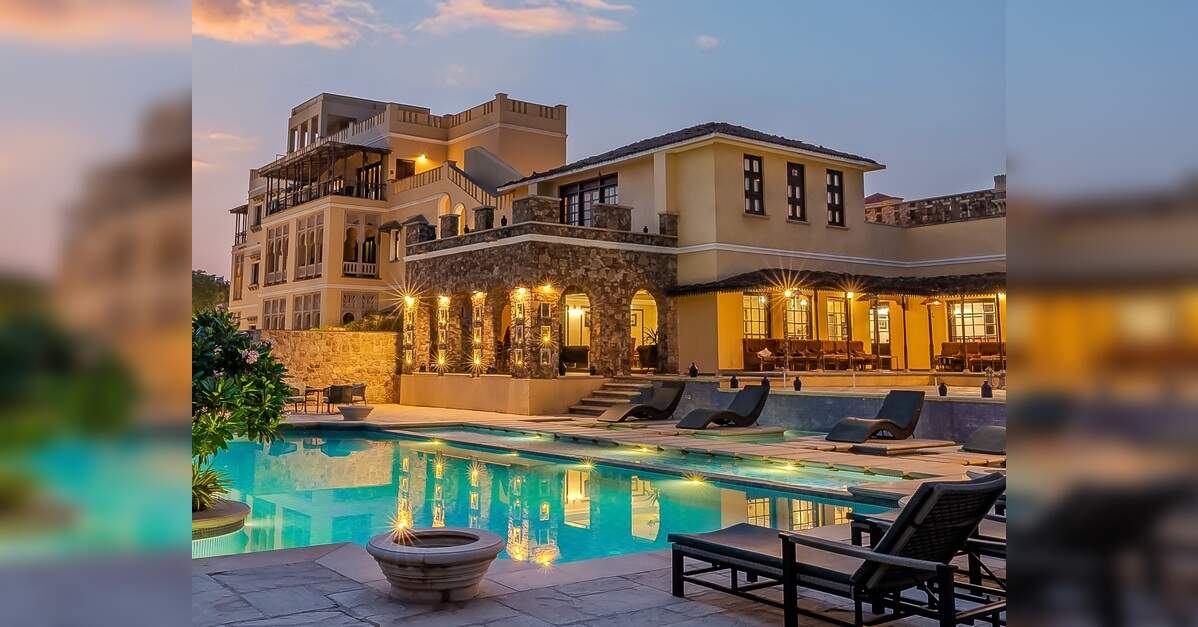
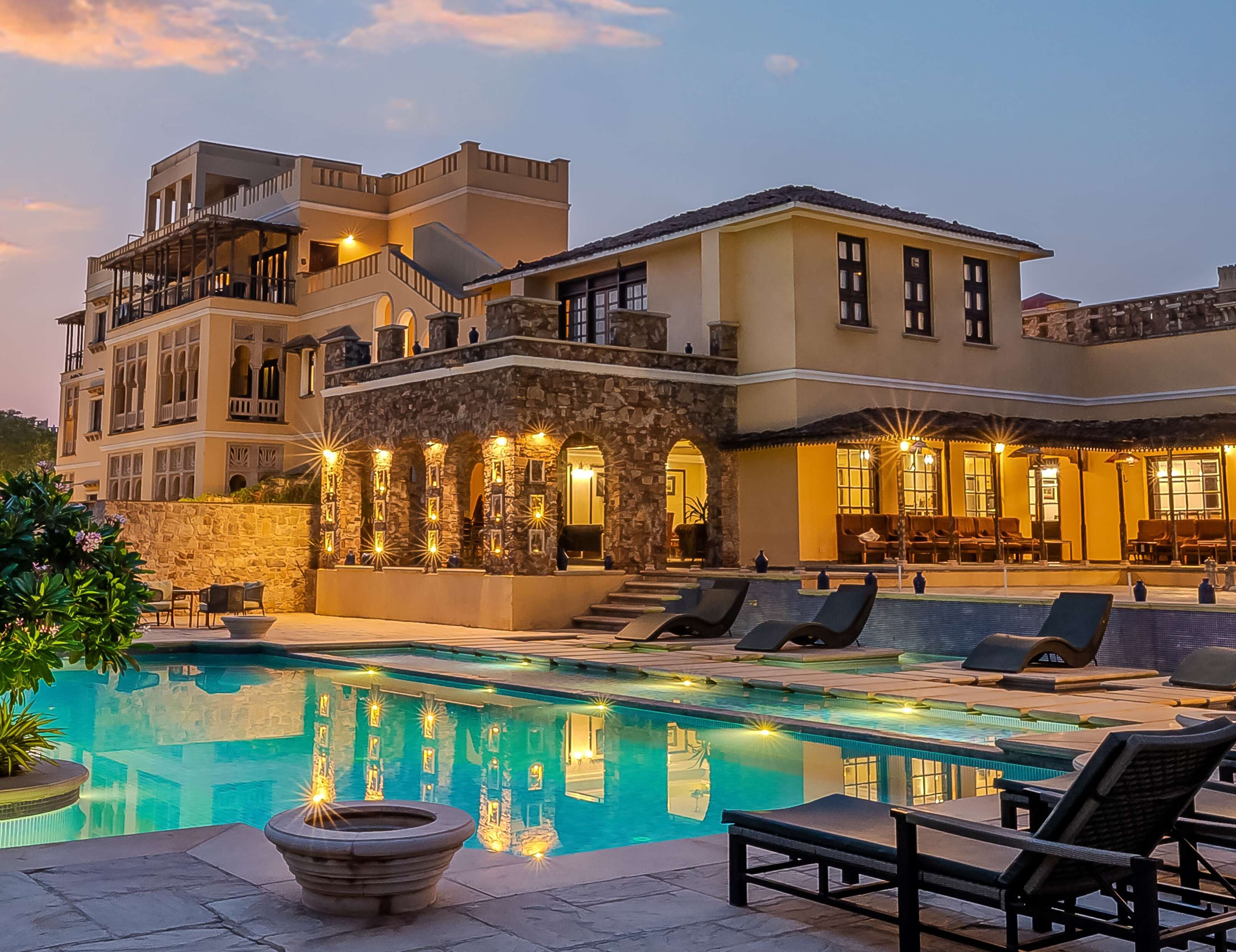
Ranthambore, long associated with wildlife safaris and heritage stays, is among the destinations where this shift is becoming visible. At Juna Mahal, wellness has been woven into the broader guest journey rather than being confined to treatment rooms—a reflection of changing traveler expectations, says Anirban Sarkar, Vice President of Operations, Victora Hospitalities.
Wellness is becoming the new luxury currency
One of the strongest shifts taking place across premium hospitality is the changing definition of luxury itself.
“Luxury today is increasingly being defined by how a place makes you feel rather than simply what it offers,” Sarkar says.
That sentiment reflects a wider industry movement.
Affluent travelers are increasingly seeking experiences that improve physical and emotional well-being instead of simply consuming luxury products.
The result is that wellness is moving from a supporting amenity to a primary decision-making factor when selecting destinations.
“Luxury is evolving from consumption toward intentionality. Wellness experiences are now becoming one of the strongest drivers of high-end travel decisions.”
The spa is no longer the destination
Traditionally, wellness in hotels revolved around massages and beauty therapies.
Today’s travelers expect something much broader.
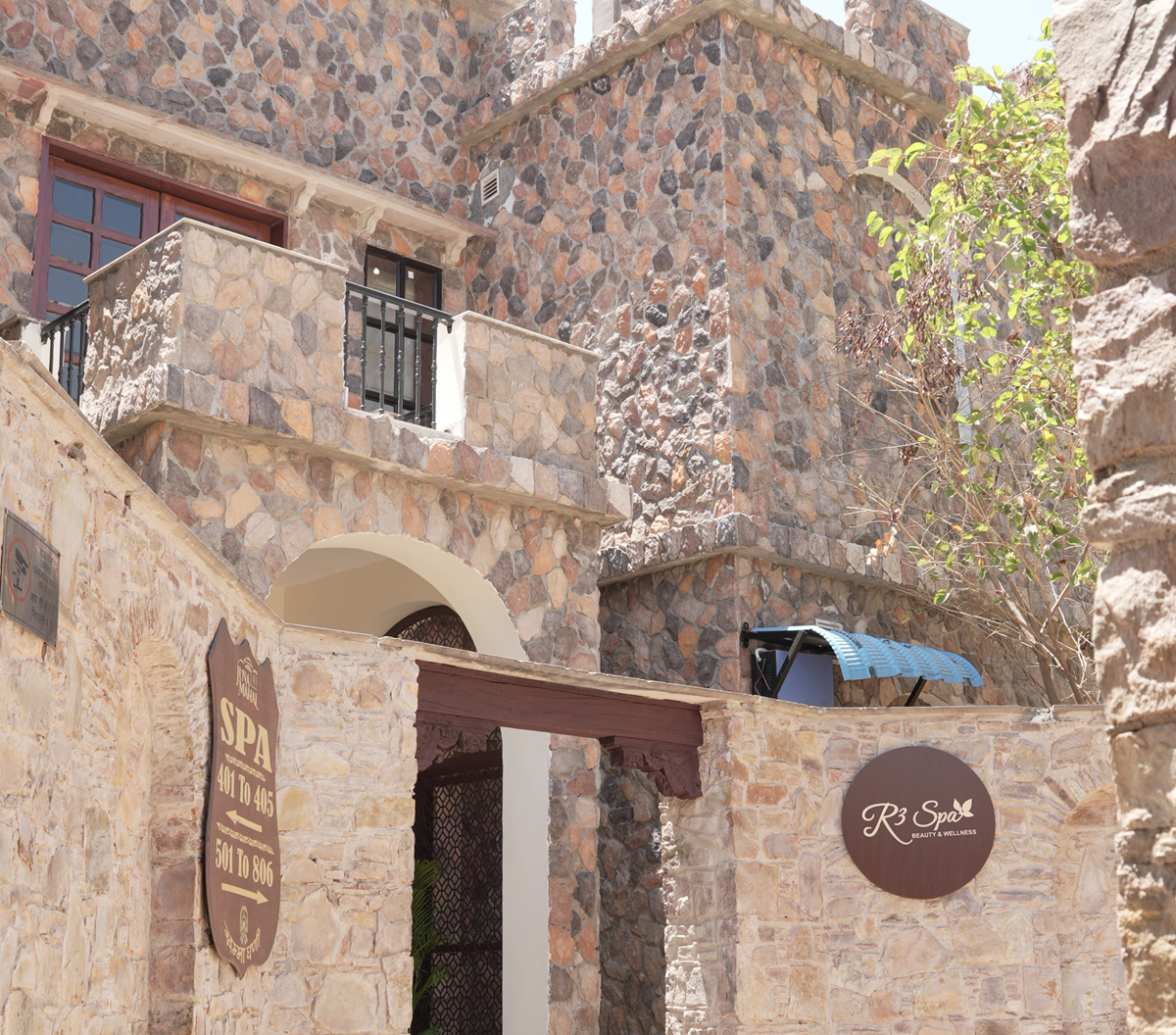
Instead of offering wellness as a scheduled activity, hotels are increasingly integrating it into every touchpoint—from architecture and food to outdoor experiences and sleep quality.
At Juna Mahal, Sarkar says the objective is not to encourage guests to spend more time inside the spa.
Instead, wellness complements the destination itself.
Nature, slower rhythms, fresh local cuisine and therapeutic treatments work together to create a restorative experience rather than a checklist of wellness activities.
That philosophy mirrors a wider shift taking place globally.
Wellness tourism has become one of the fastest-growing segments of the travel industry precisely because travelers increasingly view well-being as part of the holiday rather than something separate from it.
Destination matters more than ever
Another interesting point he makes is that wellness cannot be copied and pasted.
Too many luxury hotels today offer identical wellness menus.
Travelers increasingly expect authenticity.
“Destination storytelling is central to meaningful wellness,” Sarkar says.
For a destination such as Ranthambore, that means allowing wildlife, local culture, regional cuisine, night skies and artisan communities to become part of the guest’s emotional journey.
Rather than importing generic wellness concepts, hotels are increasingly expected to interpret wellness through the lens of place.
Personalization without losing scale
One of the industry’s biggest operational challenges is delivering bespoke experiences without making them commercially unsustainable.
According to Sarkar, this requires designing flexible operating frameworks instead of rigid packages.
Technology, guest profiling and staff training now play a much larger role in enabling hotels to personalize stays while maintaining operational efficiency.
As wellness becomes mainstream, this balance between intimacy and scalability could become one of luxury hospitality’s defining competitive advantages.
Wildlife destinations are changing too
Perhaps the most interesting observation emerging from the conversation is how destinations themselves are evolving.
For years, travelers came to Ranthambore almost exclusively for tiger sightings.
Today, the safari increasingly forms only one part of a longer narrative.
Visitors are extending their stays, combining wildlife with slower experiences and seeking emotional rather than purely recreational travel.
“We’re seeing guests wanting their stay to feel transformative rather than simply relaxing,” Sarkar says.
Structured wellness retreats are becoming a natural extension of that shift.
structural evolution
The evolution of wellness tourism reflects a broader transformation taking place across luxury travel.
Hotels are no longer competing only on rooms, restaurants or amenities.
Increasingly, they are competing on something much harder to measure—the ability to create stillness in an increasingly restless world.
For destinations such as Ranthambore, where wildlife remains the primary attraction, that could prove to be the next chapter of luxury hospitality: one where the most memorable experience is not necessarily the tiger sighting, but the feeling guests take home after the journey ends.