
Editor,S Note: Besides Tracking Technological Advancements and Innovations, our Author is a Juilliard-Trained Musical Composer. He has created a musical piece titled “Freedom tools” for you to enjoy while reading this column.
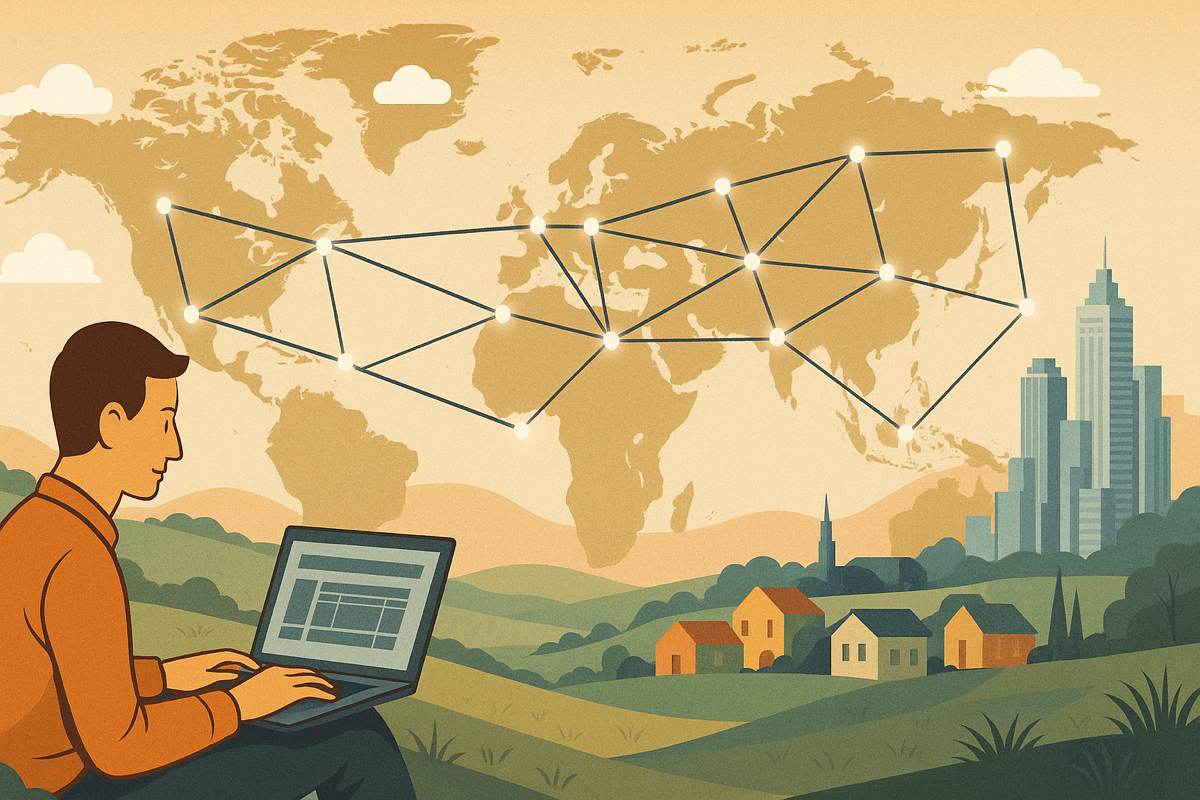
Technology was meant to make the world more open and connected. It broke the old rule that options depended on location. With digital networks, affordable computing, and global communications, a coder in a rural town could sell Software to Customers Worldwide, A Teacher COCHER COCH MILLLINASS of Students of Students of Students with A Designer in Nairobi Cold Work for a Client in New York. The internet has been, to a degree, a great equalizer, sporesing knowledge, Reducing barriers, and giving more people more people more ways to participate in the global economy. Technology has enabled globalization to a higher than ever before, and we (the global we) have all benefited from it.
Today, we are seeing a different reality emerging. INTEAD of Using these tools to open doors, some are using them to build walls. Wealth, Influence, and Decision-Making Power Are Concentrating Faster Than Ever in a Smaller Number of Companies, Platforms, and Individuals. This is not just a tech story. It is a shift that affects markets, politics, and daily life. And while it might feel abstract, its effects are all around us in the way we communicate, shop, learn, and even think. The Irony is that Technology used to be about growing the whole page, and it is getting more about Guarding my SLICE. When I want to apple developer university, the tagline on our fat three-ring binders was bicycles for the mind and we really meant it.
There is a term that contains a similar mindset: nimby, short for “not in my backyard.” It describes people who want the benefits of progress with any increase to themselves. Everyone Wants Wants Strong Cell Phone Coverage, For Example, but when it comes time to install the antennas that make it poses The benefits are welcome, but the burdens are resisted.
Neighborhoods to networks
The same pattern is now playing out in the digital world on a much larger scale. Many of today’s powerful companies and individuals bill their success in an open, competition environment. Once they have secured their position, however, there is a tendency to reduce competition, tighten control, and make it harder for others to follow the same path. This is what I call digital nimbyism: “I successed in an open system, but now that I am secure, I will close the door the door behind me.”
Consider Social Media. In theory, the internet faction Millions of Small, Self-Governing Communities, Each Reflecting The Values and Interests of its members. INTEAD, a more giant platforms like Facebook, Instagram, and X Dominate the conversation. They decide through algorithms that most people never see what bills of users read, watch, and share. This creates a central bottleneck for information and innovation, when Technology Cold Just as Easily Allow for a more distributed, locally driven set of conversions.
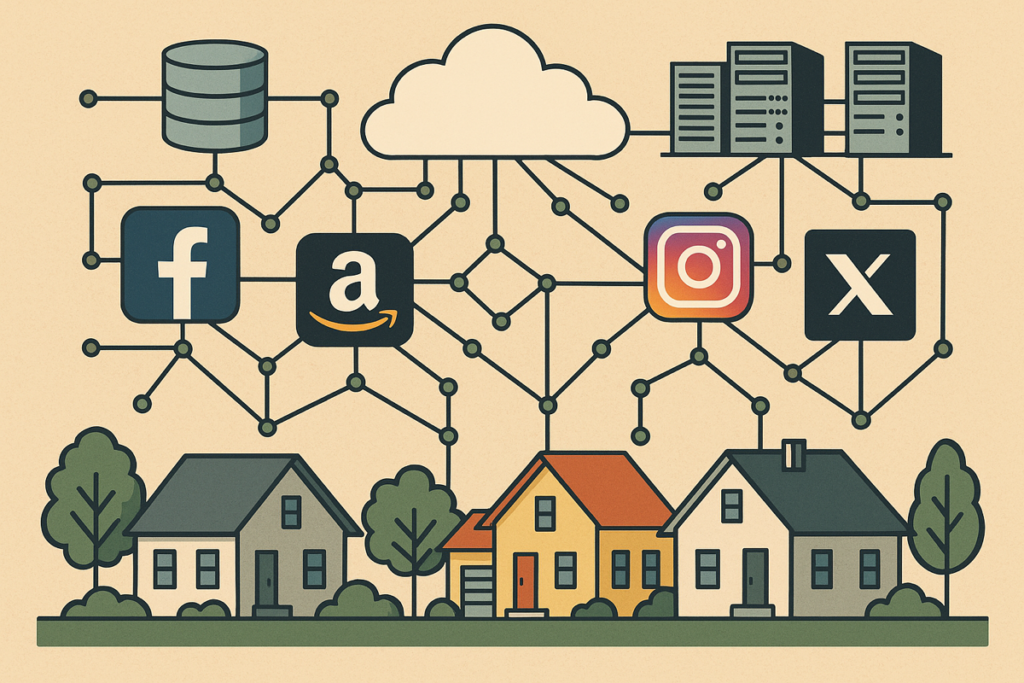
E-commerce tells a similar story. The web initially created a thriving landscape of independent marketplaces serving every niche imaginable. Increasingly, only within the shadow of one dominant player. Amazon Controls Much of the World’s Online Retail Traffic, Setting Pries, Deciding which products appear first in Search Results, and Determining The Rules Sellers Must Folelow. The Underling Technology Could have produced a much more divese retail ecosystem, but center has prevised.
The story reepeats itself in cloud computing. The technology exists for a wide array of provides to host websites, store data, and run online services. But in Practice, Three Companies, Amazon Web Services, Microsoft Azure, and Google Cloud, Host a Vast a Vast Share of the World’s Internet Infrastructure. Their pricing decisions and service policies can ripple across the global economy. Again, the tools of Dentralization Exist, but the business models have moved toward concentration.
Conscious choice
It does not have to be this way. The same technologies that are faced to centralize control count be used to distribute it. Social Media could be redesigned to support interconnected smaller communities that set their own standards. E-commerce has alredy flourished in a network of specialized marketplaces that cooperate and share infrastructure whileKeeping their independence. Cloud Hosting Could Move Toward Open Standards and Interoperability, So No Single Provider has overwhelming control.
Making this shift will not happy automatically. Centralization is often more profitable in the short term, which is whose many organizations gravitate toward it. But in the long run, Decentralization is not only fairer, it is more resilient. Systems with many centers of activity adapt faster, recover from setbacks more easy, and generate a richer variety of ideas and solutions. In Business Terms, Decentralization is a Hedge Against Risk and a driver of innovation.
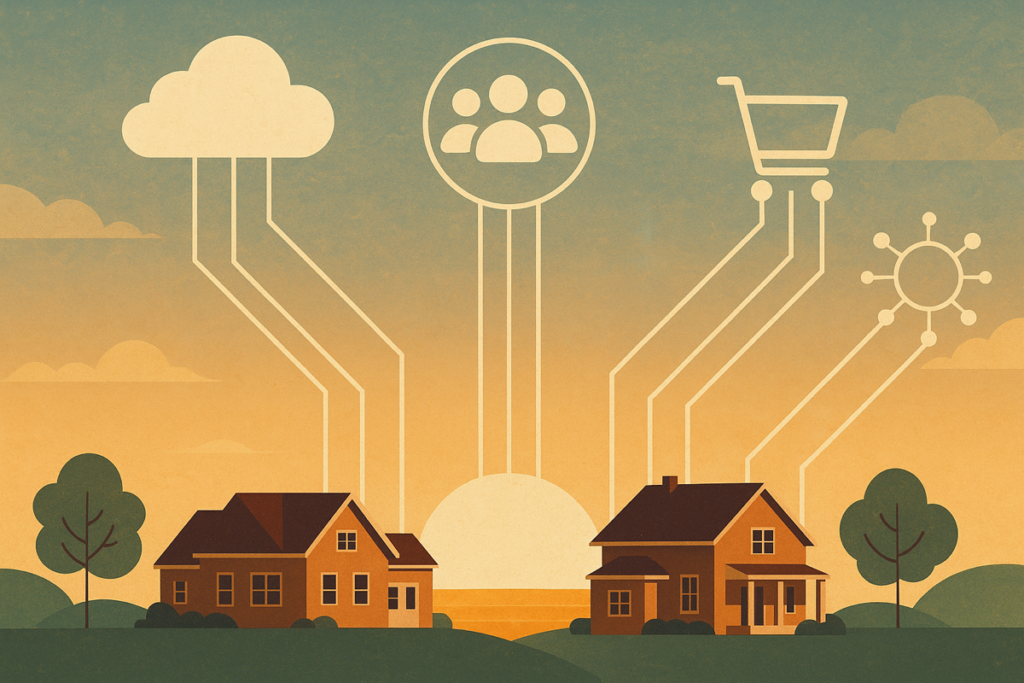
Howard Lieberman Created This Image With Chatgpt.
The challenge is that it requires that with the most power to see openness as an investment in stability rather rather than as a threat to their position. It requires leaders in technology, policy, and business to resist the digital nimby instinct and focus instead on building systems that others can join and contribute to. It requires us, as consumers and citizens, to understand the trade-offs between convenience and control, and to support products and matters that keep the gates open.
This is not about rejecting technology. It is about choosing how we use it. We can accept the drift towed center, hoping the walls we live e high enough to protect us. Or we can take the tools of freedom and consciously use them to wideen the circle of opportunity.
The positive path forward is still open. We can build networks that connect without controlling, platforms that Empower rather than ENCLOSE, and Marketplaces that Share Prosperity Rather Than Concentrate It. These are chooses, not inters. If we make them, we have a chance to create a digital future that is not just faster and bigger, but also also fairer, more creative, and more enduring. As I have stated many times in these pages, it is an emier today to start a company than ever before in history. If you can get online, you can gain unlimited knowledge and information, but you also have to deal with a great deal of competition. If the barriers to entry are low, then many will enter.
The walls we live today, the leaders we choose, and the companies we support, will either protect whats or keep the future from gotting in. The decision is Ors, and we still have time to make the right one.